6 Critical Facts About Space Traffic Management Regulations

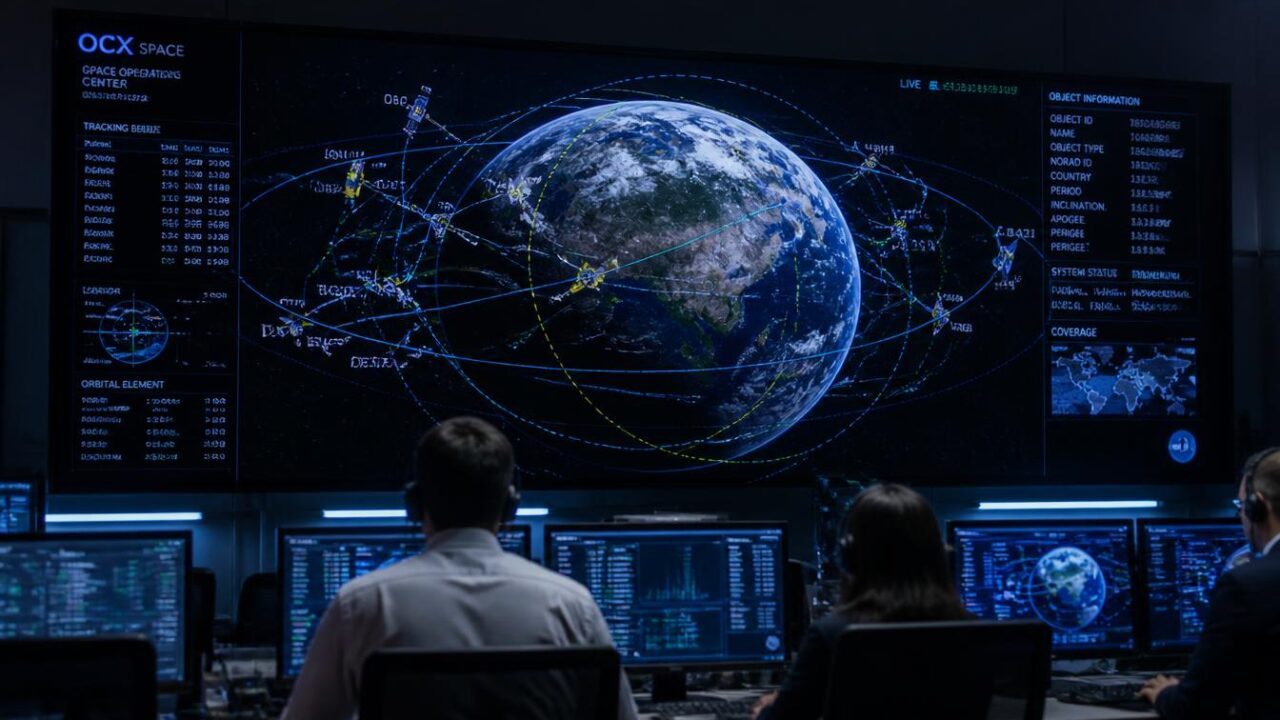
Space Traffic Management Regulations:
Just as busy airports require sophisticated air traffic control systems, an increasingly crowded orbital environment has created genuine need for comparable coordination in space. Space traffic management regulations continue evolving as regulators race to keep pace with rapidly growing satellite numbers discussed throughout related industry analysis.
1. No Single International Authority Currently Governs All Space Traffic
A fundamental challenge within space traffic management regulations involves genuine authority fragmentation, since no single international body currently holds comprehensive authority over global orbital traffic, unlike the more unified frameworks governing international aviation.
2. Individual Countries Maintain Their Own Domestic Regulatory Frameworks
Reflecting this authority gap, space traffic management regulations currently operate primarily through individual national frameworks, with different countries maintaining their own licensing and operational requirements for satellites launched under their jurisdiction.
3. Voluntary Industry Coordination Efforts Supplement Formal Regulation
Beyond formal government regulation, space traffic management regulations are increasingly supplemented by voluntary industry coordination efforts, with satellite operators sharing tracking data and coordinating collision avoidance maneuvers even without formal regulatory mandate.
4. Growing Satellite Numbers Have Increased Pressure for More Formal Coordination
Given the dramatic satellite constellation growth discussed throughout related Starlink analysis, these regulations face increasing pressure toward more formal, comprehensive coordination mechanisms rather than continued reliance on largely voluntary cooperation arrangements.
5. Debris Mitigation Requirements Increasingly Feature in Launch Licensing
Reflecting genuine environmental responsibility considerations, these regulations increasingly incorporate debris mitigation requirements into launch licensing processes, requiring operators to demonstrate reasonable plans for eventual satellite deorbiting or disposal.
6. Some Countries Are Developing More Sophisticated Space Situational Awareness Capability
Supporting broader space traffic management regulations enforcement, several countries continue developing improved space situational awareness capability, building on the tracking technology discussed throughout related debris tracking analysis.
Why This Regulatory Evolution Has Become Genuinely Urgent
These regulations require urgent continued development precisely because the current regulatory fragmentation and heavy reliance on voluntary coordination increasingly appears inadequate given how rapidly satellite numbers have grown, creating genuine risk that inadequate coordination could eventually result in serious collision incidents affecting the broader space industry.
This urgency explains why space policy experts and industry stakeholders increasingly advocate for more comprehensive international coordination mechanisms, recognizing that the current patchwork approach, while functional at current traffic levels, may prove genuinely insufficient as orbital congestion continues increasing.

The FCC’s Five-Year Deorbit Rule
In September 2022, the US Federal Communications Commission adopted a rule requiring satellites in low Earth orbit to be removed within five years after their missions end. This replaced the long-standing guideline of 25 years.
The rule applies to satellites licensed by the FCC or seeking access to the US market, which covers many commercial operators worldwide.
The First Space Debris Fine
In October 2023, the FCC fined Dish Network 150,000 dollars for failing to move its EchoStar-7 satellite to a safe disposal orbit. It was the first enforcement action of its kind.
The fine was small but set an important precedent.
UN Long-Term Sustainability Guidelines
In 2019, the UN Committee on the Peaceful Uses of Outer Space adopted 21 voluntary guidelines for the long-term sustainability of space activities.
They cover debris mitigation, information sharing and safe operations.
The IADC Guidelines
The Inter-Agency Space Debris Coordination Committee, made up of space agencies, published debris mitigation guidelines in 2002. Many national regulations are based on them.
They recommend limiting debris during normal operations and disposing of satellites properly.
US Space Policy Directive-3
In 2018, the US issued Space Policy Directive-3, which assigned civil space traffic coordination to the Department of Commerce. This led to the development of the TraCSS system.
The goal is to free the military from providing commercial collision warnings.
Europe’s Zero Debris Approach
The European Space Agency introduced a Zero Debris approach in 2023, aiming to significantly limit debris creation by 2030. Many organisations have signed a Zero Debris Charter.
In 2025, the European Commission proposed an EU Space Act to set common rules.
France’s Space Operations Act
France passed a Space Operations Act in 2008, requiring authorisation for launches and satellite operations and setting technical rules for debris.
It is often cited as a model for national space law.
Voluntary Data Sharing
The Space Data Association, founded in 2009 by satellite operators, shares data to improve collision avoidance.
Voluntary cooperation fills gaps in formal regulation.
The Challenge of Mega-Constellations
Constellations with thousands of satellites have increased pressure for better coordination. Regulators must balance innovation with safety.
Some experts call for an international space traffic authority.
Why No Global Authority Exists
Countries are reluctant to give up control over their space activities. The Outer Space Treaty assigns responsibility to states rather than an international body.
Progress relies on cooperation and voluntary guidelines.
Commercial Tracking Data in Regulation
Regulators increasingly rely on commercial tracking companies alongside government data to monitor compliance with debris rules. Better data allows regulators to verify whether operators are keeping promises about manoeuvres and disposal. As tracking improves, enforcement becomes more practical, which could strengthen incentives for responsible behaviour in orbit.
Right of Way Questions
When two operators’ satellites approach each other, there is no universal rule about who should move. Operators often negotiate case by case, and experts argue that clearer right-of-way conventions would reduce confusion.
Licensing Conditions
National regulators increasingly attach debris mitigation conditions to satellite licences, making them legally binding.
Industry Best Practices
Industry groups publish best practices for safe operations, which many operators adopt voluntarily ahead of regulation.
A Shared Responsibility
Keeping orbits safe depends on every operator acting responsibly.
Space Traffic Around the Moon
As more missions head to the Moon, questions about traffic coordination are expanding beyond Earth orbit. The Artemis Accords encourage signatories to share information and avoid harmful interference, but detailed lunar traffic rules do not yet exist.
Space Situational Awareness Sharing
Many countries now share space situational awareness data through agreements, improving everyone’s picture of orbital traffic. The US has signed data-sharing agreements with dozens of countries and companies, and Europe has built its own tracking capabilities to contribute to international efforts and reduce dependence on others.
How This Regulatory Evolution Will Likely Shape Future Space Industry Operations
As these regulations continue developing, satellite operators and launch providers will likely face increasingly formal compliance requirements, potentially including mandatory tracking data sharing, standardized collision avoidance protocols, and more rigorous debris mitigation planning than current largely voluntary arrangements require.
This regulatory evolution reflects the broader pattern of emerging industries eventually developing more comprehensive governance frameworks as their scale and societal importance grows, suggesting space traffic management will likely continue maturing toward something considerably more formalized than today’s current patchwork of national regulations and voluntary industry cooperation.
Keep exploring with our guides to space debris liability legal framework, satellite constellation deorbiting end-of-life plans and satellite constellation collision avoidance systems. For official information, visit ESA’s space debris hub.
Frequently Asked Questions
Is there a single authority governing space traffic?
No, no single international body currently holds comprehensive authority over global orbital traffic.
How is space traffic currently managed?
Primarily through individual national regulatory frameworks and voluntary industry coordination.
Why has regulatory pressure increased recently?
Dramatic satellite constellation growth has increased pressure for more formal, comprehensive coordination mechanisms.
Are debris mitigation requirements part of regulations?
Yes, increasingly incorporated into launch licensing processes requiring disposal plans.
How might these regulations evolve in the future?
Toward more formal compliance requirements including mandatory data sharing and standardized collision avoidance protocols.