BREAKING & HISTORIC: Artemis III Rocket Components Arrive at NASA While Artemis II Orion Capsule Returns to Kennedy Space Center in 2026

BREAKING & HISTORIC: Artemis III Rocket Components Arrive at NASA While Artemis II Orion Capsule Returns to Kennedy Space Center in 2026
Artemis III rocket components arrive at NASA while the Artemis II Orion capsule is delivered back o Kennedy Space Center.
NASA is continuing preparations for the next chapter of lunar exploration as major hardware for the Artemis III mission arrives at Kennedy Space Center. At the same time, the Orion spacecraft used during the successful Artemis II mission has returned to Kennedy for detailed inspections and post-flight analysis.
The simultaneous arrival of Artemis III rocket components and the return of the Artemis II crew capsule highlights how NASA is managing multiple phases of the Artemis program at once. Engineers, technicians, and mission teams are now working around the clock to prepare for future Moon missions while analyzing valuable data collected during the recent lunar test flight.
Artemis III Core Stage Moves Into the Vehicle Assembly Building
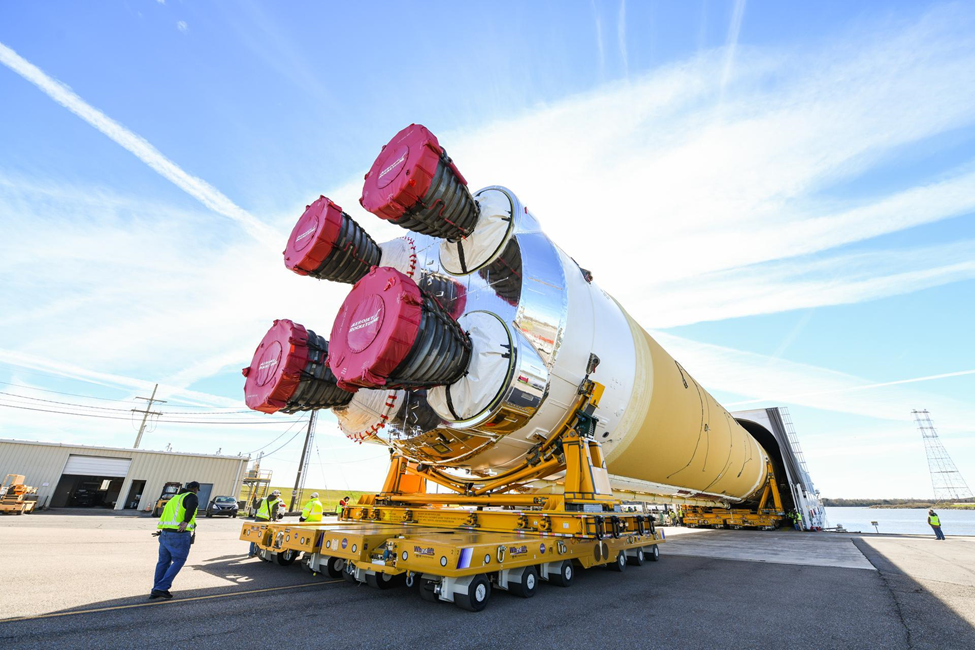
NASA teams recently maneuvered the giant Space Launch System core stage into the Vehicle Assembly Building, commonly known as the VAB. This is one of the most important facilities at Kennedy Space Center and has supported major space missions dating back to the Apollo era.
The Artemis III core stage is an enormous piece of rocket hardware measuring 212 feet in length when fully assembled. Engineers first positioned the stage horizontally inside the VAB transfer aisle before preparing it for lifting operations into High Bay 2.
Inside High Bay 2, technicians will connect the newly arrived core stage to the engine section and boat-tail hardware that had already been integrated during August 2025. This assembly process represents a major milestone in preparing the Space Launch System rocket for its next mission.
Understanding the Importance of the SLS Core Stage
The Space Launch System, also called SLS, is NASA’s most powerful rocket ever designed for deep space missions. The core stage acts as the central structure of the rocket and contains critical systems required during launch.
The stage houses two enormous propellant tanks capable of storing more than 733,000 gallons of super-chilled liquid propellant. These fuels are necessary to power the rocket’s four RS-25 engines during ascent.
In addition to fuel tanks, the core stage also contains flight computers and avionics systems that serve as the “brains” of the rocket. These systems control navigation, guidance, and overall rocket performance throughout the launch process.
Artemis III rocket components arrive at NASA while the Artemis II Orion capsule is delivered back to Kennedy Space Center.
Booster Motor Segments Begin Arriving in Florida
While engineers focus on the core stage inside the VAB, additional Artemis III hardware is also arriving in Florida. NASA confirmed that the first shipment of solid rocket booster motor segments arrived at Kennedy Space Center on April 13.
These powerful booster segments will eventually form the twin solid rocket boosters attached to the Space Launch System rocket.
The boosters are extremely important because they generate more than 75 percent of the rocket’s total thrust during liftoff. Without them, the SLS rocket would not have enough power to send astronauts beyond Earth orbit.
A second shipment of booster segments is expected later during the summer as NASA continues preparing the rocket for integration.
How the Booster Segments Reach Kennedy Space Center
The booster segments are manufactured by Northrop Grumman in Utah before being transported across the United States.
NASA ships these massive components by rail using specialized transport vehicles capable of safely carrying the oversized hardware across eight states. Once the segments arrive in Florida, technicians move them into Kennedy’s Rotation, Processing and Surge Facility.
Inside the facility, teams carefully inspect every booster segment before integration begins. Engineers verify structural integrity, safety systems, and internal components to ensure the hardware is ready for flight.
Building the Towering Solid Rocket Boosters
Once inspections are complete, NASA teams will transport the motor segments to the Vehicle Assembly Building for stacking operations.
The forward and aft assemblies will connect with the motor segments to create two giant solid rocket boosters standing approximately 17 stories tall.
When combined with the SLS core stage and four RS-25 engines, the complete rocket system will produce roughly 8.8 million pounds of thrust during launch.
This incredible power will help send astronauts aboard Orion into Earth orbit and support future lunar exploration missions.
Artemis II Orion Spacecraft Returns to Kennedy
On another side of Kennedy Space Center, the Orion spacecraft used during the Artemis II mission has officially returned for post-flight operations.
The spacecraft previously carried NASA astronauts Reid Wiseman, Victor Glover, Christina Koch, and Jeremy Hansen around the Moon before safely returning them to Earth.
After arrival, the Orion capsule was transported to Kennedy’s Multi-Processing Payload Facility where technicians began detailed de-servicing procedures.
The spacecraft now acts as one of NASA’s most valuable engineering data resources for upcoming Artemis missions.
What NASA Will Analyze Inside Orion
Engineers will perform extensive inspections on the Artemis II Orion capsule to better understand how the spacecraft performed during its lunar mission.
Teams will remove avionics systems and reusable equipment while also extracting mission data stored throughout the spacecraft. This information will help NASA improve future procedures, safety systems, and spacecraft operations.
One major focus will involve analyzing Orion’s heat shield. During atmospheric reentry, the spacecraft experienced extreme temperatures and pressure while returning to Earth.
NASA engineers plan to remove sections of the heat shield and study how materials responded under real mission conditions.
Technicians will also remove any remaining hazardous materials, including excess propellant left inside spacecraft systems.
Artemis III Orion Spacecraft Testing Continues
As analysis for Artemis II proceeds, NASA engineers are also achieving significant progress on the Orion vehicle designated for Artemis III.
The Artemis III crew module has completed several important testing phases at Kennedy Space Center. NASA confirmed that all 186 Avcoat blocks used for the upgraded heat shield have been installed, cured, and fully inspected.
Engineers also completed thermal cycle testing and ultrasonic inspections to verify the heat shield’s performance and structural integrity.
Meanwhile, the Artemis III service module has successfully passed thermal testing, solar array deployment checks, and installation of the adapter cone that will connect Orion to the Space Launch System rocket.
Later this year, NASA plans to integrate the Orion crew module and service module with the launch abort system.
Artemis III Will Support Future Moon Landing Missions
The Artemis III mission is designed to help NASA prepare for future Moon landing operations planned later in the Artemis program.
The mission will test rendezvous and docking procedures between Orion and commercial spacecraft systems operating in Earth orbit. These operations are necessary before astronauts can safely travel to the lunar surface during future missions.
NASA expects Artemis IV astronauts to land on the Moon in 2028 using systems developed and tested during Artemis III.
As NASA continues assembling rocket hardware, analyzing spacecraft performance, and testing advanced exploration technologies, the Artemis program moves one step closer toward establishing a long-term human presence near the Moon.
NASA’s Artemis Program Continues Expanding Human Exploration
The Artemis program represents one of NASA’s most ambitious space exploration efforts since the Apollo era. Unlike previous lunar missions, Artemis focuses on sustainable exploration, advanced technologies, and long-term scientific operations.
Future missions may involve lunar habitats, deep-space transportation systems, and advanced exploration vehicles capable of supporting astronauts for extended periods on the Moon.
The arrival of Artemis III hardware and the return of Artemis II Orion demonstrate how NASA is rapidly building momentum toward the next generation of human space exploration.
FAQs
What hardware recently arrived for Artemis III?
NASA received the top portion of the Space Launch System core stage and booster motor segments for the Artemis III mission at Kennedy Space Center.
What is the height of the core stage for Artemis III?
The fully assembled core stage measures approximately 212 feet tall.
What does the core stage contain?
The stage contains liquid hydrogen and liquid oxygen tanks, avionics systems, and flight computers that control the rocket during launch.
How much propellant does the core stage hold?
The core stage can store more than 733,000 gallons of super-chilled liquid propellant.
What is the role of the solid rocket boosters?
During liftoff, the solid rocket boosters supply over 75 percent of the rocket’s overall thrust.
Who flew aboard the Artemis II Orion spacecraft?
The crew consisted of Reid Wiseman, Victor Glover, Christina Koch, and Canadian astronaut Jeremy Hansen.
What was the reason for Orion’s return to Kennedy Space Center?
NASA returned the spacecraft for post-flight inspections, data analysis, and removal of reusable equipment.
What kinds of tests have been finished for the Artemis III Orion spacecraft?
The spacecraft completed heat shield installation, thermal cycle testing, ultrasonic inspections, and solar array deployment checks.
What is the purpose of Artemis III?
Artemis III will test rendezvous and docking capabilities needed for future Moon landing missions.
When could astronauts return to the Moon?
NASA currently plans future Artemis missions that may land astronauts on the Moon later in the decade, including Artemis IV in 2028.