Gulf States Space Industry Investment: 6 Best Shocking Signs

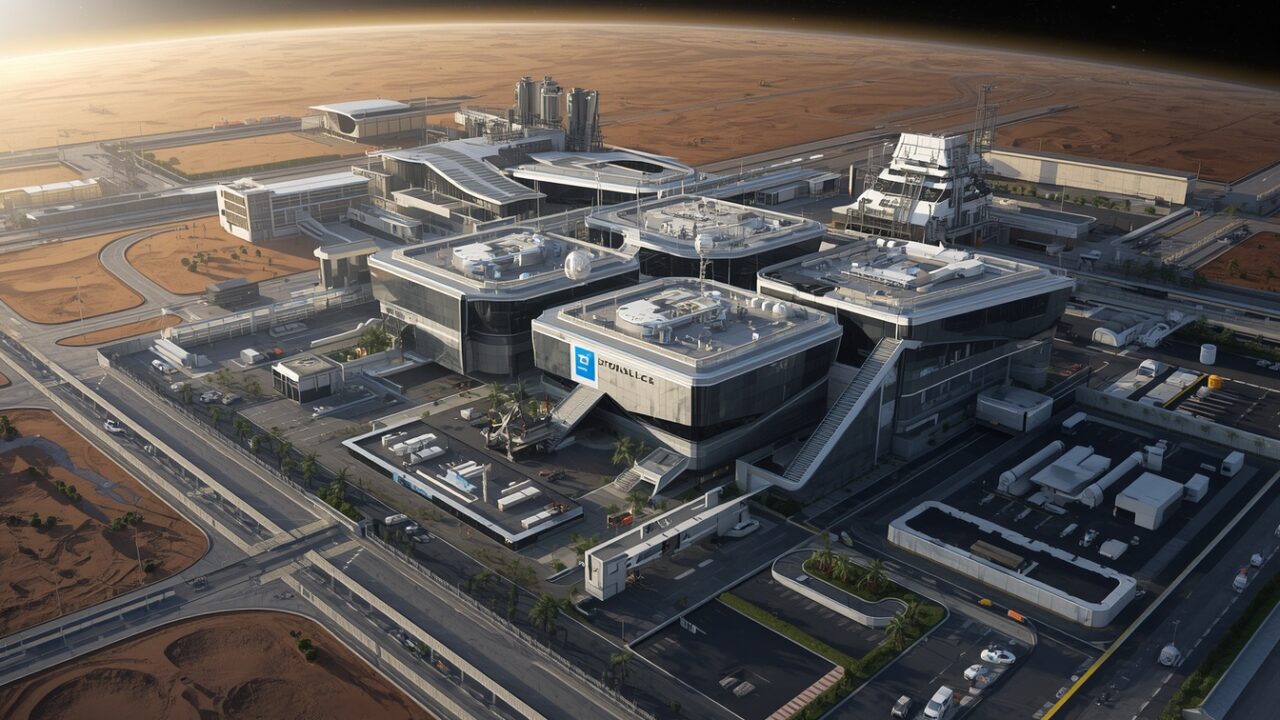
Gulf States Space Industry Investment:
Countries historically known primarily for oil wealth have increasingly directed substantial resources toward an entirely different high-technology sector as part of genuine long-term economic diversification strategy. UAE Gulf states space industry investment reflects this ambitious pivot toward establishing meaningful space capability well beyond the region’s traditional energy-focused economic identity.
1. The UAE Has Achieved Genuine Independent Space Mission Capability
A significant milestone within UAE Gulf states space industry investment involves the UAE achieving genuine independent space mission capability, including successful interplanetary missions that demonstrate real technical achievement beyond simply purchasing capability from established space powers.
2. Substantial Sovereign Wealth Fund Resources Support Ambitious Space Sector Development
Gulf investment benefits from substantial sovereign wealth fund resources, providing considerably more available capital for ambitious space sector development than many other emerging space nations can access through traditional government budget allocation alone.
3. International Partnerships Provide Access to Established Technical Expertise
Reflecting a pragmatic development strategy, this Gulf investment includes substantial international partnerships, allowing Gulf nations to access established technical expertise from experienced space-faring countries while simultaneously building genuine domestic capability.
4. Astronaut Programs Have Provided Genuine National Prestige and Public Engagement Value
This Gulf investment includes dedicated astronaut programs, sending citizens to space through partnership arrangements that provide genuine national prestige while building public engagement and enthusiasm for the broader national space strategy.
5. Commercial Space Industry Development Increasingly Complements Government-Led Space Programs
Beyond pure government space agency activity, this Gulf investment increasingly includes commercial space industry development support, seeking to build genuine private sector capability alongside government-led exploration and satellite programs.
6. Regional Competition Among Gulf States Has Accelerated Overall Space Investment Levels
Interestingly, this Gulf investment includes genuine regional competitive dynamics, with multiple Gulf nations pursuing their own space ambitions in ways that have arguably accelerated overall regional investment levels beyond what any single country might have pursued in isolation.
Why This Investment Reflects Genuine Long-Term Economic Diversification Strategy
This Gulf investment reflects genuine long-term economic diversification strategy, recognizing that continued dependence on oil-based economic activity carries genuine long-term risk given evolving global energy transition trends, making high-technology sector development like space activity a strategically sound diversification priority.
This diversification strategy explains why space investment receives such serious sustained government attention across multiple Gulf nations, reflecting broader recognition that establishing genuine technological capability and knowledge-economy positioning matters considerably for these countries’ long-term economic sustainability beyond their traditional energy sector strengths.
How This Investment Connects to Broader Global Space Industry Competitive Dynamics
Continued UAE Gulf states space industry investment connects to broader global space industry competitive dynamics discussed throughout related international market analysis, adding genuine new participants to what has traditionally been a more limited group of established space-faring nations and increasingly capable emerging powers like India and China.
This expanding participant base illustrates how the global space industry continues genuinely diversifying beyond its historical concentration among a small number of countries, suggesting continued interesting developments as Gulf state space ambitions mature alongside similarly ambitious programs from other emerging space nations worldwide.

The Hope Probe Reaches Mars
The UAE’s Hope orbiter launched from Japan in July 2020 aboard an H-IIA rocket and entered orbit around Mars on February 9, 2021. The UAE became the first Arab country and only the fifth nation or agency to reach Mars orbit. Hope studies the Martian atmosphere and weather across the whole planet.
The mission was developed by the Mohammed Bin Rashid Space Centre with help from US universities, a model that built local expertise quickly.
Building Satellites at Home
In 2018, the UAE launched KhalifaSat, the first satellite built entirely by Emirati engineers. It was followed by MBZ-SAT, a high-resolution imaging satellite launched in 2025.
Building satellites domestically is a key goal of the UAE’s space strategy.
Emirati Astronauts
Hazza Al Mansouri became the first Emirati in space in 2019, spending about eight days on the ISS. In 2023, Sultan AlNeyadi completed a six-month mission and became the first Arab astronaut to perform a spacewalk.
These missions drew enormous public interest across the Arab world.
An Airlock for Gateway
In January 2024, the UAE agreed to provide the crew and science airlock for NASA’s Gateway lunar station. In return, an Emirati astronaut is expected to fly on a future Artemis mission. NASA paused Gateway in March 2026, so the airlock’s future role is being reviewed.
The agreement placed the UAE in a major international partnership.
A Mission to the Asteroid Belt
The UAE is developing a mission to fly past several asteroids in the main belt and land on one of them in the 2030s.
It would be one of the most ambitious missions by any emerging space nation.
Saudi Arabia’s Space Push
Saudi Arabia created a space agency and sent two astronauts, Rayyanah Barnawi and Ali AlQarni, to the ISS on Axiom Mission 2 in 2023. Barnawi became the first Saudi woman in space.
The kingdom sees space as part of its economic diversification plans.
Oman’s Spaceport
Oman’s Etlaq spaceport at Duqm conducted its first test rocket launch in December 2024.
The country hopes to attract launch providers to the site.
Satellite Operators in the Region
The UAE’s Yahsat and Saudi-based Arabsat operate communication satellites serving the Middle East and Africa. In 2024, Yahsat merged with Bayanat to form Space42.
These operators provide broadband and broadcasting services.
Bahrain’s First Satellite
Bahrain launched its first satellite, a CubeSat called Light-1, in 2021, built in partnership with the UAE.
Regional cooperation helps smaller countries enter space.
Sovereign Wealth Supports Growth
Gulf states use their wealth to invest in space companies and programs, attracting international partners.
This investment aims to create high-tech jobs and reduce dependence on oil.
Satellite Manufacturing in the UAE
The UAE has invested in facilities to design and build satellites locally, aiming to supply both national needs and export markets.
Long-Term Strategy
The UAE’s space strategy aims to build a knowledge-based economy less dependent on oil.
Space Tourism Interest
Gulf states have shown interest in space tourism.
Growing Ambitions
Regional ambitions keep growing.
Momentum
Investment continues.
Education and Young Engineers
Gulf states have invested heavily in training young engineers through university programmes, international partnerships and hands-on satellite projects. The UAE’s Hope mission team was notably young, with many engineers in their twenties and thirties, and a significant share of women. These programmes aim to build lasting local expertise rather than relying on foreign contractors.
Space programmes are also used to inspire students to pursue science and engineering careers.
Regional Cooperation
Gulf countries increasingly cooperate on space projects, sharing expertise and facilities. The Arab Space Coordination Group was formed to encourage collaboration among Arab nations.
Keep exploring with our guides to South Korea KASA space program development, Japan JAXA commercial space partnerships and China CNSA space program policy updates. For official information, visit NASA’s official site.
Frequently Asked Questions
Has the UAE achieved independent space missions?
Yes, including successful interplanetary missions demonstrating genuine technical achievement.
How does the UAE fund its space ambitions?
Through substantial sovereign wealth fund resources providing significant available capital.
Does the UAE work with established space nations?
Yes, extensive international partnerships provide access to established technical expertise.
Has the UAE sent astronauts to space?
Yes, dedicated astronaut programs have provided national prestige and public engagement.
Why are Gulf states investing so heavily in space?
As part of genuine long-term economic diversification strategy beyond oil-based economic activity.