6 Best Shocking China CNSA Space Program Policy Updates

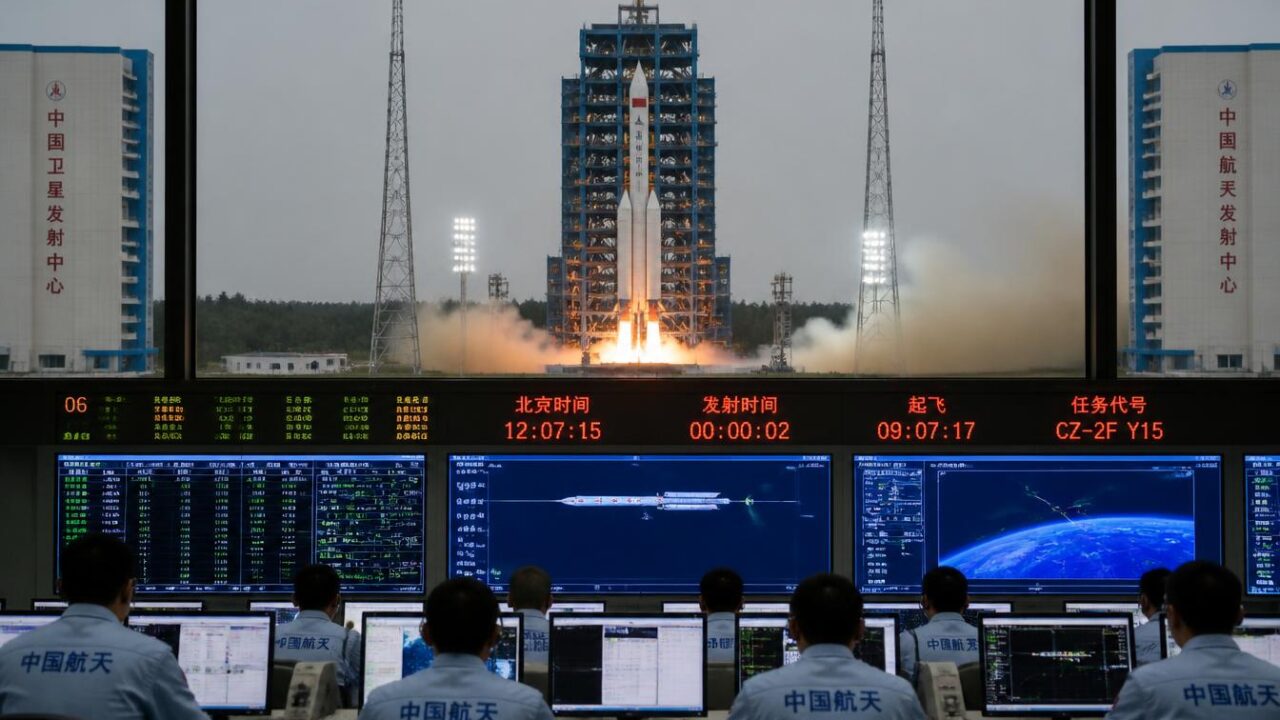
CNSA space program policy updates:
China’s space program has evolved from a relatively modest national effort into one of the world’s most active and rapidly expanding space powers over recent decades. China CNSA space program policy updates reflect an increasingly ambitious national strategy encompassing everything from satellite deployment to independent space station operations.
1. National Policy Increasingly Emphasizes Commercial Space Sector Development
Recent China CNSA space program policy updates reflect growing emphasis on developing a domestic commercial space sector, encouraging private Chinese companies to participate alongside traditional state-run space enterprises in ways that weren’t previously emphasized.
2. Satellite Constellation Plans Reflect Ambitions Comparable to Western Programs
These updates include substantial satellite constellation development plans, reflecting ambitions to establish domestic satellite internet and communication capability comparable to programs discussed throughout related Starlink industry analysis.
3. Space Station Operations Continue Expanding International Cooperation Discussions
Reflecting genuine international outreach efforts, these updates include continued discussion around potential international cooperation involving the country’s independently operated space station, despite existing exclusion from ISS partnership arrangements.
4. Launch Vehicle Development Increasingly Targets Reusability Technology
Following broader industry trends discussed throughout related reusable rocket analysis, these updates include increased investment in reusable launch vehicle technology, reflecting recognition of this approach’s demonstrated commercial advantages.
5. Policy Increasingly Addresses Space Debris and Responsible Orbital Operations
These updates include growing policy attention toward space debris mitigation and responsible orbital operations, reflecting both genuine environmental concern and awareness of international scrutiny regarding the country’s space activities.
6. National Space Strategy Increasingly Connects to Broader Technology and Economic Goals
Beyond pure space exploration objectives, these updates increasingly connect space capability development to broader national technology and economic development strategy, treating space achievement as one component within larger strategic technology goals.
Why These Policy Developments Matter for Global Space Industry Competition
China CNSA space program policy updates carry significant implications for global space industry competitive dynamics, since China’s substantial government resources and increasingly capable commercial sector represent genuine competitive pressure for established Western space companies and agencies across multiple space industry segments.
This competitive dynamic extends beyond pure technical capability, since Chinese space policy increasingly aims to establish China as a genuine alternative partner for countries seeking space cooperation opportunities, potentially reshaping international space partnership patterns that have historically centered heavily around American and European programs.

How These Policies Connect to Broader Questions About International Space Governance
These updates directly intersect with broader international space governance questions discussed throughout related space law analysis, since China’s growing capability and independent approach to various space activities raises genuine questions about how international coordination and regulation will need to evolve to accommodate an increasingly multipolar global space industry landscape.
This evolving dynamic suggests that future international space policy discussions will increasingly need to genuinely include Chinese perspectives and interests, rather than assuming international space governance frameworks can be established primarily through traditional Western-centered institutional arrangements alone.
China’s Space Agencies
The China National Space Administration, or CNSA, manages China’s civil space activities, including robotic missions to the Moon and planets, and represents China internationally. Human spaceflight is run by a separate body, the China Manned Space Agency.
Much of China’s space industry is built by state-owned companies, such as the China Aerospace Science and Technology Corporation, which builds the Long March rockets.
The 2022 White Paper
In January 2022, China published a white paper titled China’s Space Program: A 2021 Perspective, setting out goals for the next five years. It highlighted plans for lunar exploration, a space station, deep space missions and commercial space development.
The paper also emphasised international cooperation and space debris management.
Commercial Space as a National Priority
In 2024, China’s government work report listed commercial space as an emerging strategic industry. This signalled strong support for private rocket and satellite companies.
Dozens of Chinese commercial space firms now develop rockets, satellites and services.
A Commercial Launch Site in Hainan
China opened a commercial launch site in Hainan province, which hosted its first launch in November 2024. The site is designed to support commercial rockets and increase launch capacity.
It sits near the Wenchang launch centre used for major missions.
Deep Space Missions
China launched Tianwen-2 in May 2025 to collect samples from a near-Earth asteroid and later study a comet. Tianwen-3, planned for around 2028, aims to return samples from Mars.
These missions show China’s growing ambition beyond the Moon.
Lunar Plans
China plans Chang’e 7 and Chang’e 8 missions to the lunar south pole and aims to land astronauts before 2030. The International Lunar Research Station is planned for the 2030s.
China has invited other countries to join the station.
International Astronauts on Tiangong
China has agreed to fly a Pakistani astronaut to the Tiangong space station, marking the first foreign visitor. Training began after an agreement in 2025.
China has also discussed cooperation with other countries.
Launch Numbers
China has become one of the world’s busiest launch nations, conducting dozens of orbital launches each year.
Its launch rate is second only to the United States.
Space Debris Policies
China has faced criticism for rocket stages that reentered uncontrolled. It has discussed measures to reduce debris and improve safety.
International pressure for responsible behaviour continues.
Growth of Chinese Commercial Firms
Companies such as LandSpace, Galactic Energy, iSpace and Space Pioneer have developed rockets and attracted large investments. LandSpace’s Zhuque-2 became the first methane-fuelled rocket to reach orbit in 2023. Government policies encouraging private investment have helped these firms grow quickly, though many still depend heavily on state-owned suppliers and customers.
Tiangong Operations
China continues to rotate crews on the Tiangong space station every six months, supported by regular Tianzhou cargo flights. The station hosts experiments from Chinese and international researchers and serves as a symbol of China’s independent human spaceflight capability.
Reusable Rocket Push
Chinese state and commercial companies are developing reusable rockets, aiming to lower costs and increase launch rates.
Space Science Missions
China is also expanding space science, with missions to study the Sun, black holes and dark matter. The Einstein Probe X-ray telescope launched in 2024 in cooperation with ESA and Germany. Such missions show China’s growing interest in fundamental research alongside exploration and commercial goals.
Mars and Beyond
China’s Tianwen-1 mission placed an orbiter around Mars and landed the Zhurong rover in May 2021, making China only the second country to operate a rover on Mars. The success strengthened China’s plans for more ambitious missions, including sample return.
Keep exploring with our guides to South Korea KASA space program development, Japan JAXA commercial space partnerships and Roscosmos space program funding challenges. For official information, visit NASA’s official site.
Frequently Asked Questions
Is China encouraging private space companies?
Yes, recent policy increasingly emphasizes developing a domestic commercial space sector alongside state enterprises.
Does China have satellite constellation plans?
Yes, substantial plans reflect ambitions comparable to Western satellite internet programs.
Is China open to international space station cooperation?
Discussions continue around potential cooperation, despite exclusion from ISS partnership arrangements.
Is China developing reusable rockets?
Yes, increased investment reflects recognition of reusability’s demonstrated commercial advantages.
How does China’s space policy connect to broader national goals?
It increasingly connects space capability to broader national technology and economic development strategy.