Rocket Launch Site Infrastructure Development: 6 Best Shocking Facts

Rocket Launch Site Infrastructure Development:
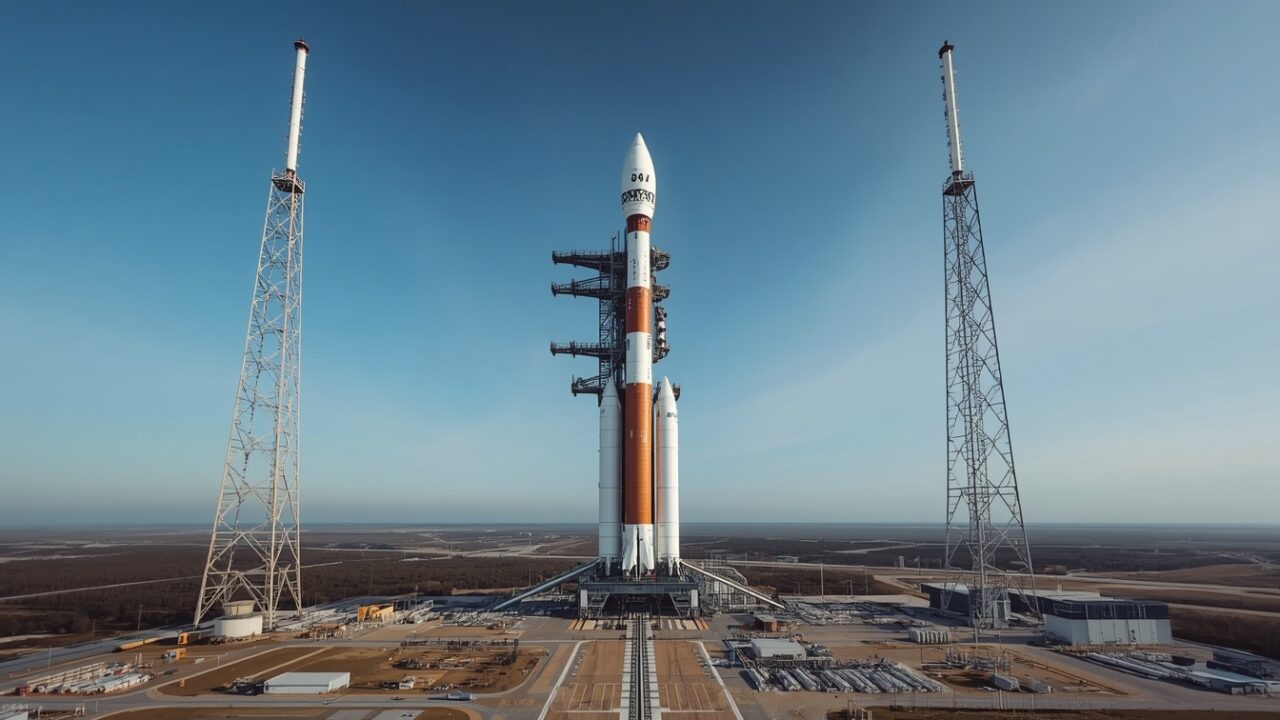
Every rocket launch depends on considerably more ground infrastructure than the visible launch pad itself, requiring extensive supporting facilities that few outside the industry ever consider. Rocket launch site infrastructure development continues expanding globally as growing commercial and government launch demand increasingly outpaces existing spaceport capacity.
1. New Commercial Spaceports Continue Opening in Previously Underserved Regions
Reflecting genuine growing demand, rocket launch site infrastructure development includes new commercial spaceports opening in regions that previously lacked local launch capability, expanding global geographic access to orbital launch services.
2. Existing Government Facilities Increasingly Accommodate Growing Commercial Launch Activity
This development includes substantial modernization of existing government-operated facilities, adapting historic launch complexes to accommodate the dramatically increased commercial launch cadence discussed throughout related reusability analysis.
3. Multiple Launch Pads at Single Sites Support Increased Overall Launch Frequency
A practical response to growing launch demand, this development increasingly includes multiple launch pad construction at single spaceport locations, allowing parallel vehicle preparation and reducing the scheduling bottlenecks single-pad facilities create.
4. Environmental Review Processes Significantly Affect New Site Development Timelines
This development must navigate substantial environmental review requirements, since launch site construction and ongoing operations carry genuine environmental impact considerations that regulatory processes require companies to thoroughly address.
5. Local Community Relationships Increasingly Factor Into Site Selection and Operations
Beyond pure technical considerations, this development increasingly emphasizes genuine local community relationship management, recognizing that sustained community support proves important for long-term operational success given noise, traffic, and other local impacts.
6. International Launch Site Access Provides Companies Additional Trajectory Flexibility
This development increasingly includes companies establishing launch capability across multiple international locations, providing genuine trajectory flexibility advantages for reaching different orbital inclinations more efficiently than a single domestic launch site alone would allow.
Why This Infrastructure Investment Represents Essential Foundation for Continued Industry Growth
Rocket launch site infrastructure development addresses fundamental physical constraints that ultimately limit how much the broader launch industry can actually grow, since even companies with excellent rocket technology and strong customer demand cannot increase launch cadence beyond what available launch pad capacity physically allows.
This foundational infrastructure importance explains why continued spaceport development receives serious industry and government attention, recognizing that launch site capacity represents essential physical infrastructure supporting the broader commercial space economy’s continued expansion rather than a secondary consideration behind more visible rocket and satellite technology development.
How This Infrastructure Development Connects to Broader Global Space Industry Competition
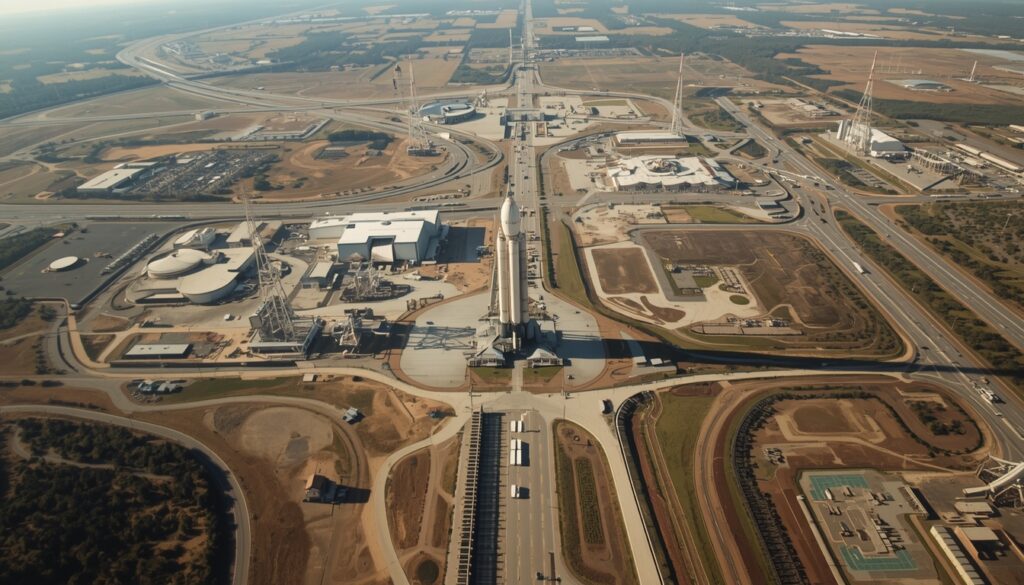
Continued rocket launch site infrastructure development connects to broader global space industry competitive dynamics discussed throughout related market analysis, since countries and companies increasingly recognize that adequate launch infrastructure represents genuine competitive advantage for attracting both domestic and international launch business.
This competitive dimension explains why multiple countries continue investing in expanded spaceport capability, recognizing that launch site infrastructure represents foundational economic development infrastructure supporting broader national space industry ambitions rather than simply supporting existing launch demand alone.
Florida’s Record Launch Rate
Cape Canaveral Space Force Station and Kennedy Space Center together became the world’s busiest spaceport, with more than 90 launches in 2024 and even more in 2025. Most were SpaceX Falcon 9 missions.
To keep up, SpaceX built a crew access tower at Space Launch Complex 40 in 2024, giving it a second pad able to launch astronauts.
Starbase in South Texas
SpaceX built Starbase near Boca Chica, Texas, for Starship development and launches. The site includes launch towers, production buildings and housing.
Environmental reviews by the FAA required SpaceX to take many mitigation actions before launches were approved.
Vandenberg’s Growing Role
Vandenberg Space Force Base in California hosts launches to polar orbits. SpaceX’s increasing launch rate there led to debate with the California Coastal Commission in 2024.
The base is expanding capacity for commercial users.
Wallops and Rocket Lab
NASA’s Wallops Flight Facility in Virginia hosts Rocket Lab’s Launch Complex 2 and Northrop Grumman’s Antares launches.
Rocket Lab is also building Neutron’s launch pad there.
Norway and Sweden Join In
Andøya Spaceport in Norway hosted Isar Aerospace’s first orbital launch attempt in March 2025. Sweden opened an orbital launch pad at Esrange in 2023.
Europe wants more launch sites on its own territory.
The UK’s SaxaVord Spaceport
SaxaVord Spaceport in the Shetland Islands received a UK licence for vertical launches in January 2025.
It aims to host small rocket launches to polar orbits.
India’s Second Spaceport
India laid the foundation for a second spaceport at Kulasekarapattinam in Tamil Nadu in 2024. It will support small satellite launches.
The site’s location allows efficient southern launches.
Australia’s Launch Sites
Gilmour Space attempted Australia’s first orbital launch of a domestic rocket from Bowen, Queensland, in July 2025. The rocket failed shortly after liftoff.
Australia is developing several launch sites.
Environmental Reviews
New launch sites require environmental reviews examining wildlife, noise and pollution. These reviews can take years.
Balancing growth with environmental protection is a key challenge.
Multiple Pads Increase Capacity
Sites with multiple pads can launch more often. Maintenance on one pad does not stop launches from another.
This redundancy supports high launch rates.
Spaceport Financing
Spaceports are often funded through public-private partnerships, with governments providing land and infrastructure and companies investing in pads and facilities.
Launch Site Diversity
Having launch sites in many countries improves global access to space and resilience.
Future Growth
More spaceports are planned worldwide.
Growth
Capacity keeps expanding.
Ocean Landing Zones
Launch sites also depend on ocean areas for booster landings, stage drops and splashdowns. These zones must be cleared of ships during launches, requiring coordination with maritime authorities. As launch rates grow, managing these closures becomes more complex, especially near busy shipping lanes and fishing areas.
Air traffic must also be rerouted during launches, creating delays for commercial flights. Aviation authorities have developed tools to reduce disruption, such as releasing restricted airspace quickly after a launch.
Local Communities
New launch sites bring jobs and investment but also noise, road closures and environmental concerns. Community engagement is an important part of spaceport development, and some projects have faced strong local opposition.
Utilities and Infrastructure
Launch sites need reliable power, water for sound suppression, roads for heavy transport and propellant supply. Building this infrastructure in remote locations can be costly and time-consuming.
International Competition
Countries compete to host launch sites as part of broader space strategies. Spaceports can attract companies and create high-tech industries.
Launch Pad Turnaround
Fast pad turnaround allows more launches from each pad. SpaceX has reduced turnaround at its Florida pads to just a few days, enabling very high launch rates.
Security at Spaceports
Spaceports require security to protect facilities and hardware, especially for national security launches.
Keep exploring with our guides to Vandenberg Cape Canaveral spaceport modernization, orbital manufacturing facility site selection and rocket propellant production storage industry. For official information, visit NASA’s official site.
Frequently Asked Questions
Are new spaceports being built?
Yes, new commercial spaceports continue opening in regions that previously lacked local launch capability.
Why do sites need multiple launch pads?
Multiple pads allow parallel vehicle preparation and reduce scheduling bottlenecks single-pad facilities create.
Do environmental reviews affect launch site development?
Yes, significant environmental review requirements affect new site development timelines.
Does community relations matter for launch sites?
Yes, sustained local community support increasingly factors into long-term operational success.
Why do companies want multiple international launch sites?
They provide genuine trajectory flexibility for reaching different orbital inclinations more efficiently.