6 Promising Facts About the Satellite Servicing and Refueling Industry

The Satellite Servicing and Refueling Industry:
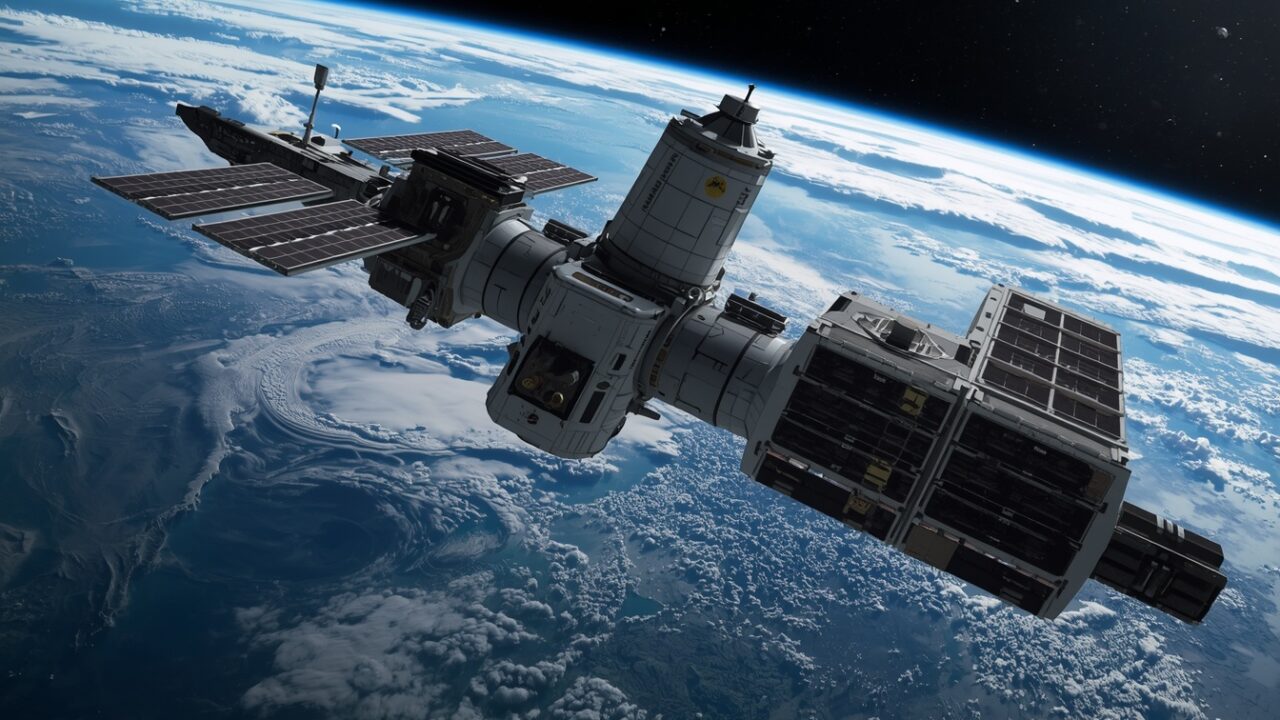
Once a satellite runs low on fuel or experiences a critical component failure, the traditional response has simply been to deorbit the otherwise functional spacecraft and launch an expensive replacement. The satellite servicing and refueling industry challenges this wasteful assumption, developing genuinely new commercial capability to extend spacecraft operational life directly in orbit.
1. Robotic Servicing Vehicles Can Extend Satellite Operational Lifespans
Central to the satellite servicing and refueling industry are specialized robotic vehicles capable of docking with existing satellites and providing services like propellant transfer, potentially extending operational lifespans considerably beyond what the satellite’s original fuel supply alone would allow.
2. Early Commercial Missions Have Already Demonstrated Genuine Operational Success
The industry has moved beyond pure concept demonstration, with early commercial missions already achieving genuine operational success extending real customer satellites’ functional lifespans through actual in-orbit servicing operations.
3. This Technology Could Significantly Reduce Long-Term Satellite Replacement Costs
A compelling business case driving satellite servicing and refueling industry development involves potential cost savings, since extending existing satellite lifespans through servicing could prove considerably more economical than premature replacement launch costs.
4. Standardized Refueling Interfaces Are Increasingly Being Incorporated Into New Satellite Designs
Reflecting genuine industry forward planning, the industry increasingly influences new satellite design decisions, with manufacturers incorporating standardized refueling interfaces specifically anticipating future servicing compatibility.
5. Debris Removal Applications Represent a Related but Distinct Business Opportunity
Beyond pure refueling and repair services, satellite servicing and refueling industry technology overlaps considerably with debris removal applications discussed throughout related space debris analysis, since similar robotic capture and manipulation technology supports both business categories.
6. Government Agencies Have Provided Important Early Customer Demand and Funding Support
Similar to other emerging commercial space categories, the industry has benefited considerably from government agency early adoption, providing crucial initial customer demand and funding support during the technology’s earlier, less commercially proven development phases.
Why This Industry Represents a Genuinely Novel Space Business Category
The industry represents a genuinely new commercial space business category rather than simply an incremental improvement to existing satellite operations, fundamentally challenging the traditional assumption that satellites represent essentially disposable assets with fixed, unextendable operational lifespans.
This paradigm shift carries significant implications for how satellite operators plan their fleet management strategies going forward, potentially favoring servicing-compatible satellite designs and factoring potential future servicing costs into their original satellite investment decisions in ways that weren’t previously relevant considerations.
MEV-1 Makes History
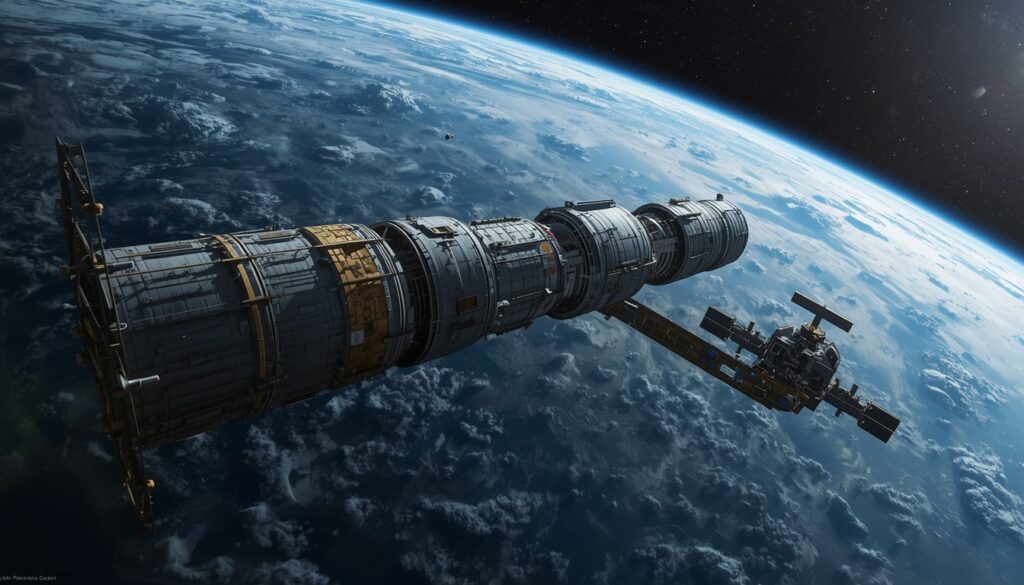
In February 2020, Northrop Grumman’s Mission Extension Vehicle 1 docked with Intelsat 901, a communication satellite that was running low on fuel. It was the first time two commercial satellites had docked in geostationary orbit.
MEV-1 took over the job of keeping Intelsat 901 in position, extending its working life by several years.
MEV-2 Follows
In April 2021, MEV-2 docked with Intelsat 10-02, another ageing satellite. Unlike MEV-1, it docked with a satellite still in its operational orbit.
The two missions proved that life extension services work commercially.
Lessons From Hubble Servicing
Astronauts serviced the Hubble Space Telescope five times between 1993 and 2009, replacing instruments and fixing its flawed mirror. These missions showed the value of servicing spacecraft in orbit.
Robotic servicing aims to bring similar benefits without astronauts.
NASA’s OSAM-1 Cancellation
NASA’s OSAM-1 mission, designed to refuel a Landsat satellite robotically, was cancelled in March 2024 due to cost increases and delays.
Astroscale’s Debris Inspection
Japan’s Astroscale launched ADRAS-J in 2024. It approached a discarded rocket stage to within about 15 metres, photographing it up close.
This was a key step toward removing debris from orbit.
Orbit Fab’s Gas Stations
Orbit Fab is developing refuelling depots in orbit and a standard refuelling port called RAFTI. It launched a demonstration tanker in 2021.
Standard ports would let many satellites be refuelled.
Starfish Space’s Otter
Starfish Space tested its Otter Pup servicing vehicle in 2023 and plans full missions to dock with and service satellites.
Its approach uses a lightweight docking mechanism.
China’s Servicing Missions
China’s Shijian-21 satellite moved a dead BeiDou satellite to a graveyard orbit in 2022. Observers later reported Chinese satellites performing refuelling operations in geostationary orbit.
These missions show China’s growing capabilities.
Military Interest
The US Space Force has funded refuelling demonstrations to keep military satellites manoeuvring longer.
Refuellable satellites could respond better to threats.
Designing for Service
Future satellites may be built with refuelling ports and grapple fixtures, making servicing easier.
This shift could transform satellite economics.
Regulatory Approval for Servicing
Servicing missions require regulatory approval for close approaches and docking with other satellites. Regulators review safety plans to make sure missions do not create debris or endanger nearby spacecraft.
Clear rules help the servicing industry grow safely.
Standard Grapple Fixtures
New satellites increasingly include grapple fixtures and markers that make future servicing easier, even if servicing is not planned at launch.
Growing Market
Servicing demand is rising steadily.
Life Extension Economics
A geostationary communication satellite can cost hundreds of millions of dollars, and replacing one takes years. Extending an existing satellite’s life by several years through servicing can be much cheaper. Operators weigh servicing costs against the revenue a satellite can still earn, making life extension attractive for satellites with healthy electronics but low fuel.
Mission Extension Pods
Northrop Grumman has developed smaller Mission Extension Pods that attach to satellites and provide extra thrust, installed by a robotic servicing vehicle. Pods could extend the lives of multiple satellites.
Insurance and Liability
Docking with another company’s satellite raises insurance and liability questions. Contracts must define responsibility if something goes wrong during servicing.
Servicing for Military Satellites
Military planners see servicing as a way to keep important satellites manoeuvring longer, making them harder for adversaries to track or target. Refuellable satellites could change position more freely during a crisis. This interest has led to contracts for refuelling demonstrations and servicing studies.
Commercial servicing companies see defence as an important early market.
How This Industry Could Reshape Broader Satellite Manufacturing and Deployment Strategies
As the industry continues maturing and demonstrating reliable commercial viability, it could meaningfully reshape broader satellite manufacturing and deployment strategies, potentially reducing overall launch demand for pure replacement missions while creating entirely new revenue opportunities for companies specializing in this servicing capability.
This potential industry reshaping illustrates how genuinely novel space business models can create ripple effects extending well beyond their own immediate market category, influencing decisions across satellite manufacturing, launch services, and fleet management practices throughout the broader space industry ecosystem.
Keep exploring with our guides to in-space refueling propellant depot, in-orbit satellite assembly and construction and active space debris removal missions. For official information, visit NASA’s official site.
Frequently Asked Questions
What does satellite servicing involve?
Robotic vehicles docking with existing satellites to provide services like propellant transfer, extending operational lifespans.
Has this technology been proven commercially?
Yes, early commercial missions have already achieved genuine operational success extending real customer satellites’ lifespans.
Why is this technology potentially cost-effective?
Extending existing satellite lifespans could prove more economical than premature replacement launch costs.
Are new satellites designed for future servicing?
Yes, manufacturers increasingly incorporate standardized refueling interfaces anticipating future compatibility.
Is this related to space debris removal?
Yes, similar robotic capture technology supports both servicing and debris removal business categories.