Ultimate Rocket Lab Electron Launches: 6 Amazing Facts

Ultimate Rocket Lab Electron Launches:
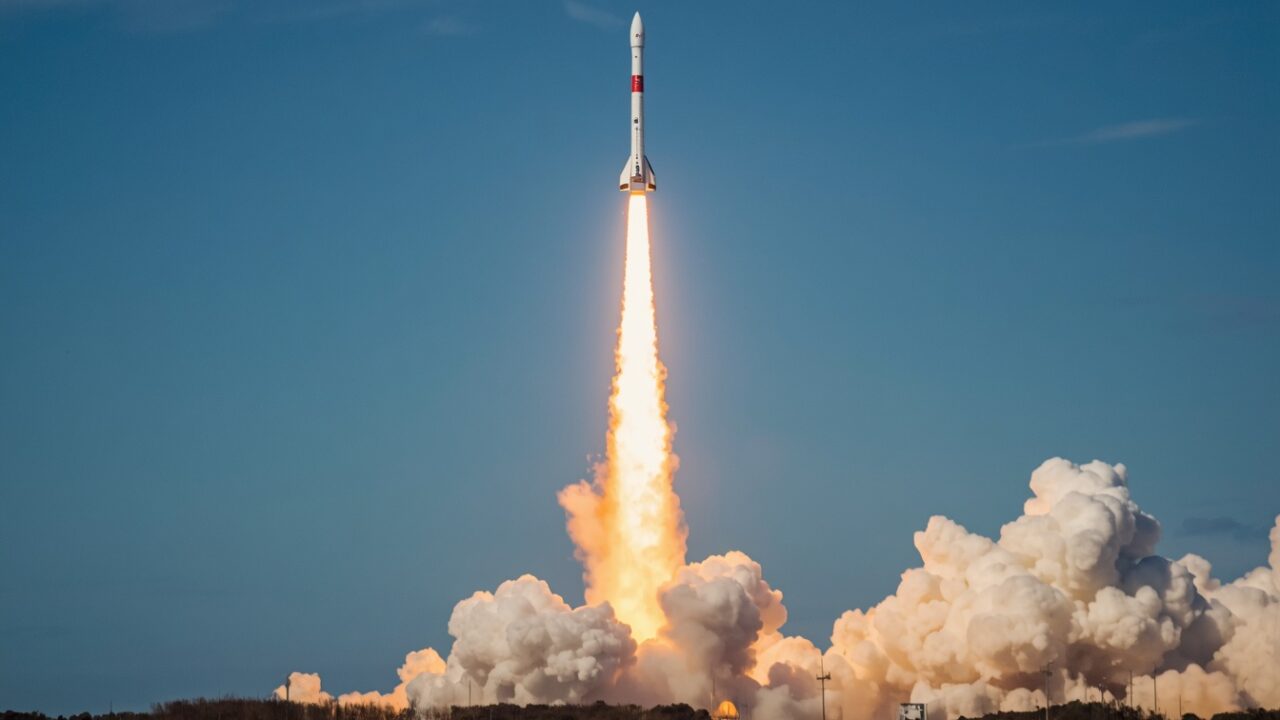
Not every satellite operator needs the enormous lift capacity larger rockets provide, creating genuine market demand for a different kind of launch vehicle entirely. Rocket Lab Electron small satellite launches have built a successful business specifically serving customers whose payloads simply don’t justify booking space aboard much larger launch vehicles.
1. The Electron Rocket Specifically Targets the Small Satellite Market Segment
These launches specifically address customers with smaller payloads, avoiding the inefficiency and cost of either waiting for shared rideshare opportunities or paying for excess capacity aboard larger rockets designed for bigger missions.
2. The Company Has Achieved a Notably High Launch Cadence for Its Vehicle Class
Reflecting genuine operational maturity, these launches have achieved a launch frequency notably high for a vehicle in this size class, demonstrating the kind of reliable, repeatable operations that build customer confidence over time.
3. The Company Operates Launch Sites in Multiple Countries
Rocket Lab Electron small satellite launches benefit from multiple launch site locations across different countries, providing scheduling flexibility and orbital access options that a single-location launch provider couldn’t offer customers with specific trajectory requirements.
4. Booster Recovery Efforts Reflect Broader Industry Reusability Trends
Following broader industry patterns discussed throughout related reusability analysis, these launches include booster recovery development efforts, though implemented through a notably different technical approach than larger rocket reusability programs.
5. The Company Has Expanded Beyond Pure Launch Services Into Satellite Manufacturing
Beyond just launch services, these launches represent just one part of a broader company strategy that has expanded into satellite manufacturing and space systems, positioning the company as a more comprehensive space industry provider.
6. Government and Commercial Customers Both Rely on This Dedicated Small Launch Capability
Rocket Lab Electron small satellite launches serve a genuinely diverse customer base spanning both government agencies and commercial companies, all sharing the common need for dedicated, reliable small satellite launch capability rather than shared rideshare arrangements.
Why This Dedicated Small Launch Approach Fills a Genuine Market Gap
These launches address a real market need that larger launch providers, however successful, cannot efficiently serve, since customers requiring precise orbital insertion timing or specific trajectory requirements often benefit considerably from dedicated small launch vehicles rather than accepting the scheduling constraints shared rideshare missions typically involve.
This market positioning has allowed the company to build a genuinely successful business without directly competing head-to-head with larger launch providers, instead establishing a complementary niche that serves customer needs the broader launch industry’s larger vehicles aren’t optimally designed to address.
How This Success Story Illustrates Broader Space Industry Market Diversification
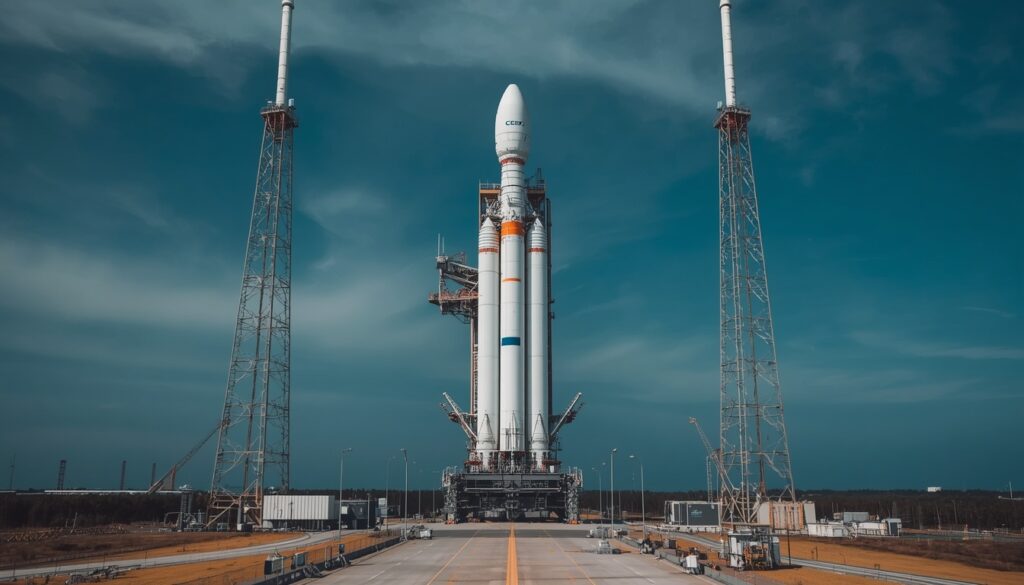
The success of these launches illustrates how the broader commercial space industry has diversified well beyond a simple competition between a small number of large launch providers, instead developing genuinely differentiated market segments serving distinct customer needs and payload categories.
This diversification benefits the overall space industry ecosystem by ensuring customers across the full range of payload sizes and mission requirements have access to appropriately matched launch options, rather than being forced to choose between only a limited set of one-size-fits-all launch vehicle options.
Peter Beck and the Company’s Origins
Rocket Lab was founded in New Zealand in 2006 by Peter Beck, a self-taught engineer who began building rockets as a teenager. The company later moved its headquarters to Long Beach, California, while keeping major operations in New Zealand.
Beck’s goal was to provide dedicated launches for small satellites, which had usually flown as secondary payloads on larger rockets.
From It’s a Test to Still Testing
Electron’s first launch in May 2017 was named It’s a Test. It reached space but did not achieve orbit due to a ground equipment problem. The second launch, Still Testing, reached orbit in January 2018.
Rocket Lab’s quirky mission names have become a company tradition.
The Rutherford Engine
Electron uses Rutherford engines, which are largely 3D-printed and use electric motors powered by batteries to drive their propellant pumps. This design is simpler than traditional gas-driven turbopumps.
Nine Rutherford engines power the first stage, and one vacuum-optimised engine powers the second stage.
Launch Sites in Two Countries
Rocket Lab’s main launch site is Launch Complex 1 on New Zealand’s Mahia Peninsula, the world’s first private orbital launch site. It also operates Launch Complex 2 at Wallops Island in Virginia.
Having sites in two countries helps serve different customers, including US government missions.
CAPSTONE to the Moon
In June 2022, Electron launched NASA’s CAPSTONE CubeSat toward the Moon using Rocket Lab’s Photon spacecraft as a booster stage. CAPSTONE tested the near-rectilinear halo orbit planned for Gateway.
The mission showed that a small rocket could support deep space missions.
A Growing Launch Rate
Electron became one of the most frequently launched rockets in the world. Rocket Lab completed its 50th Electron launch in 2024 and increased its launch rate further in 2025.
Frequent launches help customers get to orbit on their own schedules.
HASTE for Hypersonic Testing
Rocket Lab developed a suborbital version of Electron called HASTE to test hypersonic technology for defence customers.
HASTE launches from Virginia and provides a lower-cost alternative to traditional test flights.
Building Spacecraft Too
Rocket Lab has grown into a spacecraft manufacturer, acquiring companies that make solar panels, reaction wheels and separation systems. It builds satellites for customers and NASA.
This makes Rocket Lab a broader space company, not just a launch provider.
Neutron: The Next Step
Rocket Lab is developing Neutron, a larger reusable rocket designed to launch constellation satellites and compete in the medium-lift market.
Neutron’s first stage is designed to land back for reuse.
Failures and Recovery
Electron has suffered a small number of failures. Rocket Lab investigated each, fixed problems and returned to flight quickly.
This record helped maintain customer confidence.
Electron’s Kick Stage
Electron carries an optional third stage called the Kick Stage, which can reignite several times to place satellites in precise orbits. It lets Rocket Lab deliver multiple customers to slightly different orbits on one flight, a valuable service for small satellite operators with specific needs.
Carbon Composite Structure
Electron’s body is made largely of carbon composite, which is strong and light. Using composites helps a small rocket carry more payload relative to its size.
Why Small Satellites Want Dedicated Rides
Rideshare missions are cheap, but customers must accept the main mission’s orbit and schedule. Electron lets small satellite operators choose their own orbit and launch date, which matters for constellations that need satellites in specific planes or for time-sensitive government missions. This flexibility is Electron’s main selling point against larger rockets.
Keep exploring with our guides to small launch vehicle market competition, Blue Origin New Glenn rocket development and ULA Vulcan Centaur rocket program. For official information, visit NASA’s official site.
Frequently Asked Questions
What market does the Electron rocket serve?
Customers with smaller payloads who don’t need the lift capacity of much larger launch vehicles.
How often does Rocket Lab launch?
The company has achieved a notably high launch cadence for its vehicle size class.
Does Rocket Lab launch from multiple locations?
Yes, the company operates launch sites in multiple countries for scheduling flexibility.
Is Rocket Lab pursuing booster reusability?
Yes, though through a notably different technical approach than larger rocket programs.
Has Rocket Lab expanded beyond launch services?
Yes, the company has expanded into satellite manufacturing and broader space systems.