Space Industry Carbon Footprint Sustainability: 6 Best Shocking Facts

Space Industry Carbon Footprint Sustainability:
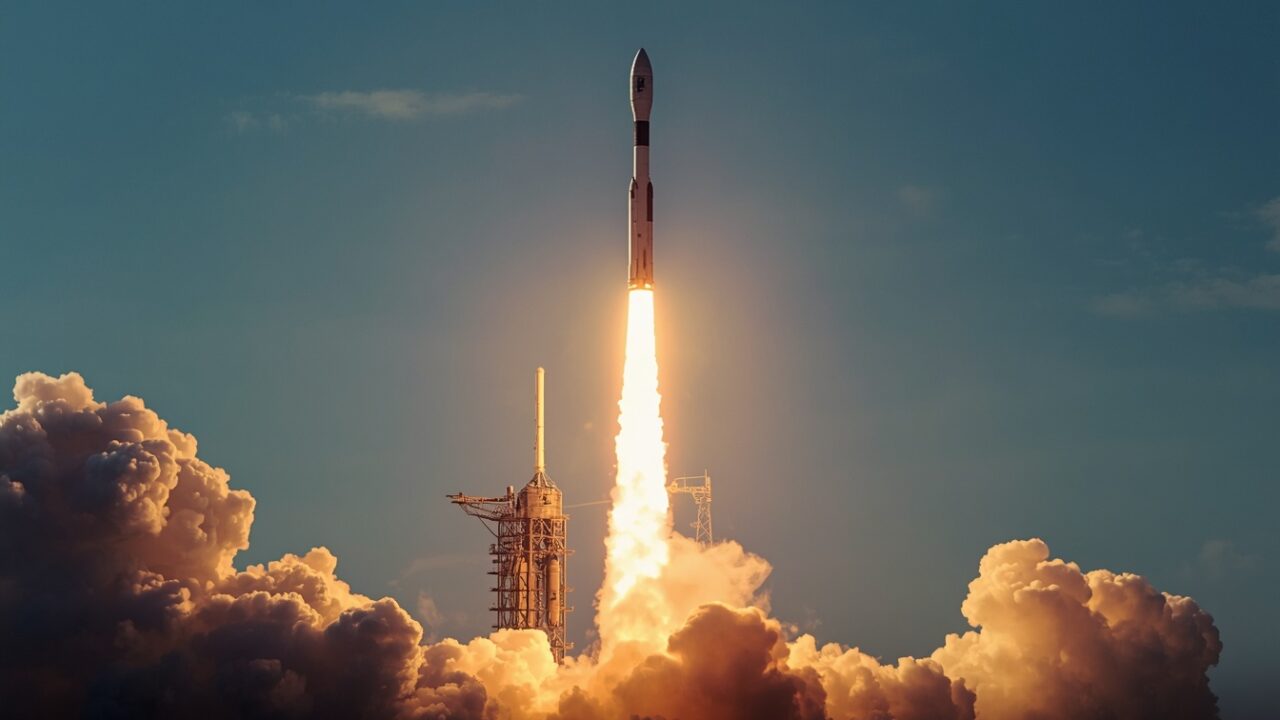
As launch frequency continues increasing dramatically across the industry discussed throughout related reusability analysis, genuine questions about the broader environmental impact of expanded rocket activity have attracted increasing attention. Space industry carbon footprint sustainability represents an emerging consideration that companies and regulators increasingly must address directly.
1. Rocket Launches Produce Emissions That Vary Considerably by Propellant Type
A foundational element within this sustainability involves recognizing that different rocket propellant types produce meaningfully different emission profiles, meaning environmental impact calculations must account for genuine technical variation across different launch vehicle designs.
2. Upper Atmosphere Emissions May Carry Different Environmental Implications Than Ground-Level Pollution
Space industry carbon footprint sustainability research increasingly examines genuine scientific questions about how rocket emissions deposited directly into the upper atmosphere might carry different environmental implications than comparable ground-level emissions, an area still requiring additional research.
3. Current Launch Volume Remains Relatively Modest Compared to Other Transportation Sectors
Providing important context, space industry carbon footprint sustainability discussions generally acknowledge that current total launch volume remains relatively modest compared to aviation or other transportation sector emissions, even as launch frequency continues meaningfully increasing.
4. Reusable Rocket Technology May Offer Some Environmental Benefits Alongside Cost Savings
Beyond pure cost efficiency discussed throughout related reusability analysis, space industry carbon footprint sustainability considerations suggest reusable rocket technology may offer some environmental benefits, since manufacturing fewer complete new vehicles for repeated missions could reduce certain production-related environmental impacts.
5. Some Companies Are Exploring Genuinely Lower-Emission Propellant Alternatives
Reflecting growing environmental consciousness, space industry carbon footprint sustainability research includes some companies exploring genuinely lower-emission propellant alternatives, seeking launch vehicle designs that minimize environmental impact without compromising necessary performance characteristics.
6. Growing Satellite Numbers Raise Separate Questions About Reentry and Atmospheric Effects
Beyond launch emissions specifically, this sustainability increasingly must address separate questions about the growing number of satellites discussed throughout related constellation analysis eventually burning up during atmospheric reentry, an area of ongoing scientific study.
Why This Environmental Consideration Deserves Serious Continued Industry Attention
Space industry carbon footprint sustainability deserves serious continued attention precisely because the industry’s dramatic growth trajectory discussed throughout related market analysis means today’s relatively modest environmental impact could become considerably more significant if launch frequency continues increasing at anything resembling current growth rates.
This forward-looking consideration explains why proactive environmental impact research and mitigation planning makes genuine sense now, before potential environmental concerns become significant enough to generate the kind of regulatory or public pressure that reactive industry responses typically struggle to address as effectively as proactive planning.
Soot in the Stratosphere
Rockets burning kerosene, such as Falcon 9, release black carbon soot. Unlike soot from cars, rocket soot is injected directly into the stratosphere, where it can linger for years. A 2022 study estimated that black carbon from rockets is about 500 times more effective at warming the atmosphere than soot released near the ground.
Although total launch emissions are still small, researchers warn that rapid launch growth could make these effects significant.
Metals From Reentering Satellites
In 2023, NOAA scientists flying instruments high in the atmosphere found metals from reentering spacecraft in about 10 percent of stratospheric sulphuric acid particles.
As more satellites reenter, this share could grow, with uncertain effects on the ozone layer.
Solid Rocket Motors and Ozone
Solid rocket motors release chlorine compounds and aluminium oxide, which can damage ozone. Rockets like Vulcan and SLS use large solid boosters.
Scientists continue studying these effects.
Hydrogen Engines
Engines burning hydrogen and oxygen produce mostly water vapour. However, water vapour in the upper atmosphere can also affect climate.
Producing hydrogen can create emissions depending on the method.
Methane’s Cleaner Burn
Methane engines produce less soot than kerosene engines. As more rockets switch to methane, black carbon emissions per launch may fall.
However, methane still produces carbon dioxide.
Launches Versus Aviation
There were roughly 260 orbital launch attempts in 2024, compared with around 100,000 commercial flights every day. Total launch emissions are small by comparison.
But their high-altitude impact makes them different.
ESA’s Clean Space Initiative
ESA’s Clean Space initiative studies the environmental impact of space activities and promotes greener technologies.
It includes life-cycle assessments of missions.
Satellites Help Fight Climate Change
Earth observation satellites monitor greenhouse gases, deforestation and sea levels. Their data support climate action.
This benefit is often weighed against the industry’s footprint.
Reusability and Manufacturing
Reusable rockets reduce the need to manufacture new hardware for each launch, potentially lowering emissions from production.
Full life-cycle studies are still limited.
Industry Initiatives
Some launch companies are studying cleaner propellants and more efficient operations to reduce environmental impact. Reusability, cleaner-burning methane and improved manufacturing all contribute. Industry groups have also called for standardised methods to measure and report environmental effects.
Public Perception
Public concern about the environmental impact of space activities is growing, encouraging companies to be more transparent about their footprint.
Measuring Progress
Standard reporting would help track the industry’s environmental progress over time.
Next Steps
More measurement is planned.
Sustainable Manufacturing
Beyond launches, the space industry’s environmental footprint includes manufacturing, testing and ground operations. Companies are exploring ways to reduce waste, use cleaner energy and recycle materials. Life-cycle assessments help identify where the largest impacts occur, which may differ from assumptions focused only on launch emissions.
Some companies publish sustainability reports to show progress and attract investors who care about environmental performance.
Balancing Benefits and Costs
Satellites provide essential climate data, disaster warnings and communication. Many experts argue that these benefits outweigh the industry’s environmental costs, but they still call for careful measurement and mitigation as launch rates grow.
Research Gaps
Scientists say more research is needed on how rocket emissions and reentering satellites affect the upper atmosphere. Measurements at high altitudes are difficult and expensive.
Regulatory Interest
Environmental regulators are beginning to examine launch emissions more closely. Future rules could require environmental assessments that include upper-atmosphere impacts, affecting launch licensing.
Industry groups have called for more research before strict rules are imposed.
How This Sustainability Consideration Connects to Broader Space Industry Responsible Growth Planning
This sustainability increasingly connects to broader responsible growth planning discussions occurring alongside other environmental considerations like space debris mitigation discussed throughout related analysis, reflecting genuine industry recognition that sustainable long-term growth requires addressing multiple environmental dimensions simultaneously.
This holistic sustainability thinking suggests the space industry increasingly recognizes that continued public and regulatory support for ambitious growth plans likely depends partly on demonstrating genuine environmental responsibility, rather than assuming unlimited growth can proceed without any meaningful environmental impact consideration or mitigation planning.
Keep exploring with our guides to satellite constellation deorbiting end-of-life plans, rocket propellant production supply capacity and rocket propellant production storage industry. For official information, visit NASA’s official site.
Frequently Asked Questions
Do all rockets produce the same emissions?
No, different propellant types produce meaningfully different emission profiles across various launch vehicle designs.
Are upper atmosphere emissions different from ground-level pollution?
This remains an area of ongoing scientific research examining potentially different environmental implications.
How does the space industry’s carbon footprint compare to other industries?
Current launch volume remains relatively modest compared to aviation or other transportation sector emissions.
Does rocket reusability help the environment?
It may offer some environmental benefits alongside cost savings, since manufacturing fewer new vehicles could reduce production impacts.
Are companies developing lower-emission propellants?
Yes, some companies are exploring genuinely lower-emission alternatives without compromising performance.