NASA’s Mobile Launcher Reaches the Vehicle Assembly Building for Artemis III Preparations in 2026

NASA’s Mobile Launcher Reaches the Vehicle Assembly Building for Artemis III Preparations
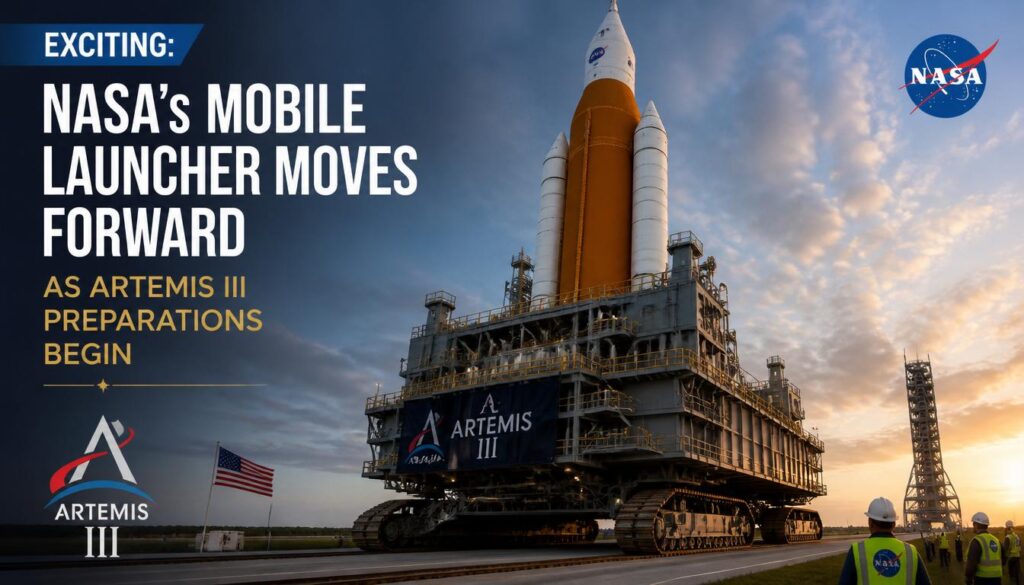
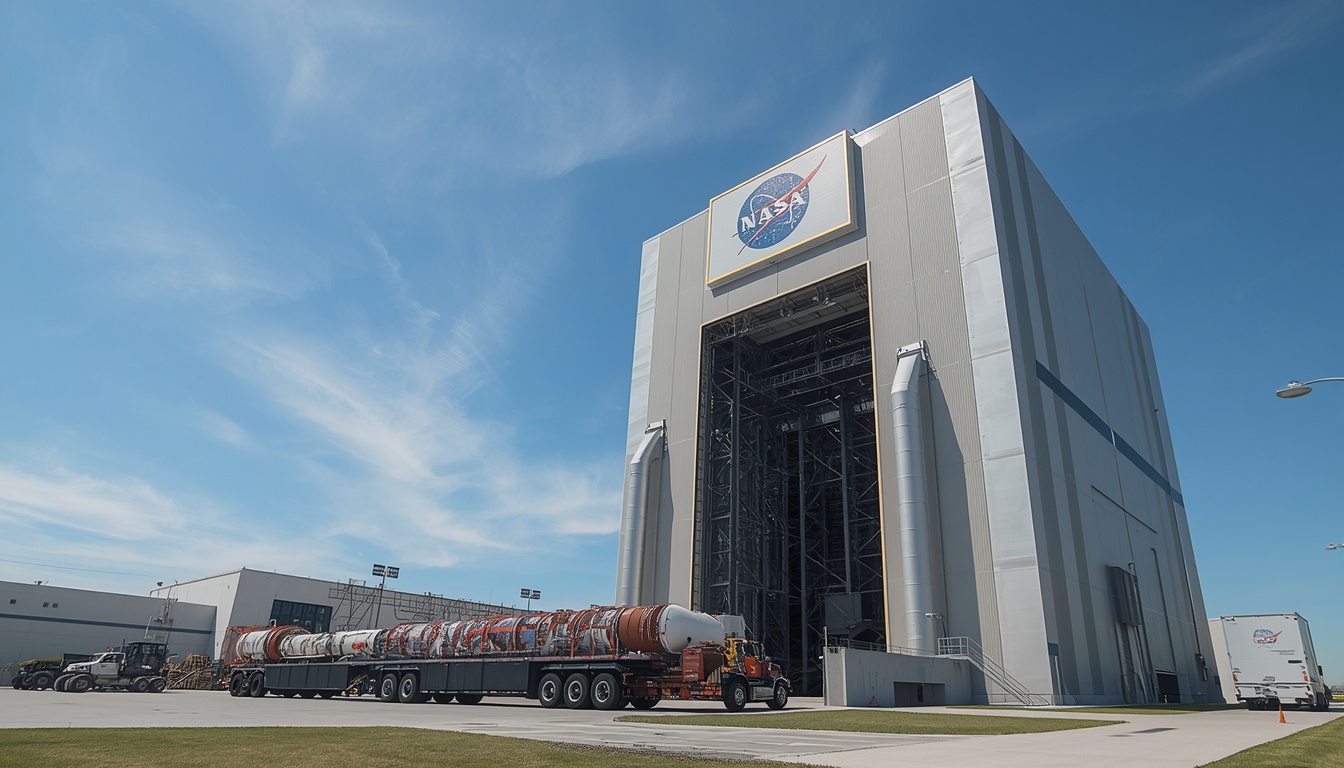
NASA has officially moved its giant mobile launcher back inside the Vehicle Assembly Building (VAB) at NASA’s Kennedy Space Center after successfully supporting the launch of the historic Artemis II mission earlier this month. The massive structure completed its journey from Launch Complex 39B to the VAB as teams continue preparing for the next major milestone in lunar exploration — the Artemis III mission.
The return of the mobile launcher marks another important step in NASA’s long-term Moon exploration program. Engineers and technicians will now begin inspections, repairs, and preparations needed before assembling the next Space Launch System rocket.
The Mobile Launcher Begins Its Journey Back
On April 16, NASA’s Exploration Ground Systems Program started transporting the mobile launcher from Launch Pad 39B to the Vehicle Assembly Building. The enormous structure traveled nearly four miles along the crawlerway while sitting on top of the agency’s powerful crawler-transporter 2 vehicle.
Although the journey normally takes between eight and twelve hours, the operation included several scheduled pauses. These breaks allowed engineering crews and transportation teams to safely monitor the equipment and rest during the long-moving process.
The mobile launcher officially arrived inside the VAB at approximately 11:40 a.m. EDT on Friday, April 17, 2026. The successful relocation ensures that NASA can now move forward with the next phase of Artemis III launch preparations.
What Is NASA’s Mobile Launcher?
The mobile launcher is one of the most important pieces of ground hardware used in NASA’s Artemis missions. Standing around 380 feet tall, the tower-like structure supports the assembly, testing, and launch operations of the massive Space Launch System rocket and Orion spacecraft.
The launcher contains advanced systems and connection lines known as umbilicals. These systems provide electrical power, communications, fuel, coolant, and other critical support needed before liftoff.
Without the mobile launcher, the Artemis missions could not safely prepare the rocket and spacecraft for launch. The structure essentially acts as a mobile launch platform and operational support tower combined into one giant system.
Why the Vehicle Assembly Building Matters
The Vehicle Assembly Building at Kennedy Space Center is one of the most iconic facilities in spaceflight history. It has supported numerous NASA missions dating back to the Apollo era and Space Shuttle program.
Now, the VAB continues its legacy by serving as the main integration facility for the Artemis program. Inside the building, engineers stack the rocket stages vertically, connect the Orion spacecraft, and perform extensive testing before rollout to the launch pad.
For Artemis III, the mobile launcher will remain inside the VAB until NASA completes major preparations and integrates the SLS rocket components for the mission.
Artemis II Helped Prepare NASA for Future Moon Missions
The mobile launcher was recently used during the successful Artemis II lunar test flight launched on April 1, 2026. That mission represented a major achievement for NASA as it tested systems designed to carry astronauts around the Moon.
Following the launch, engineers discovered areas on the launcher that required inspections and repairs due to the intense conditions experienced during liftoff. Rocket launches generate extreme heat, vibration, sound energy, and pressure that can affect launch hardware.
NASA teams are now carefully analyzing launch data and repairing any damage to ensure the launcher is fully ready for Artemis III operations next year.
Repairs and Inspections Now Underway
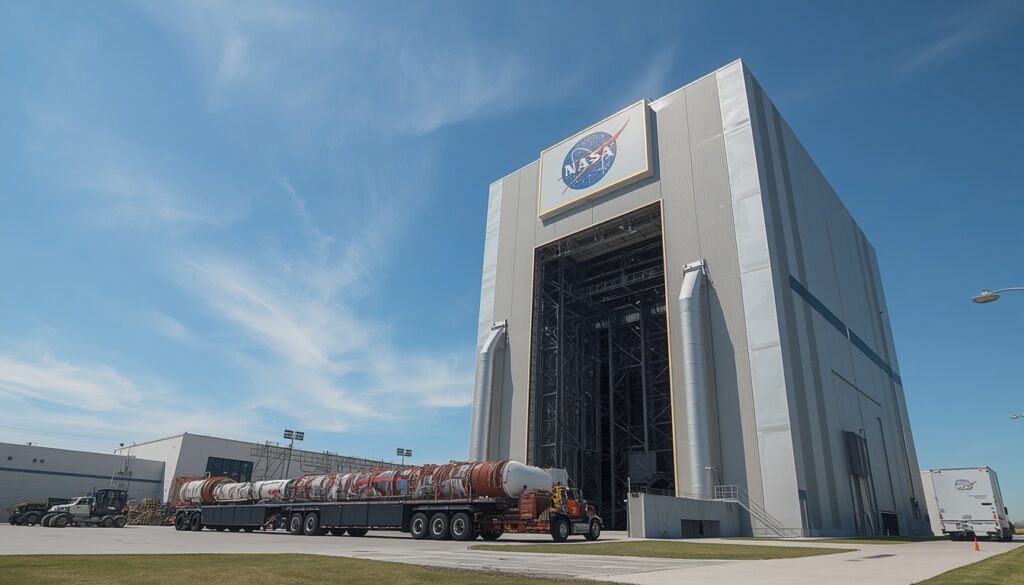
With the launcher now positioned inside the VAB, technicians have started conducting detailed post-launch evaluations. Engineers will inspect structural components, electrical systems, umbilicals, and support equipment.
The inspection process is essential because Artemis III is expected to be one of NASA’s most ambitious lunar missions in decades. Every component must operate perfectly to support future astronaut missions safely.
Teams will also use lessons learned from Artemis II to improve launch procedures and strengthen hardware systems wherever necessary.
Artemis III Could Make History
The Artemis III mission is expected to become one of the most historic space exploration missions of the modern era. NASA plans to use the mission to land astronauts near the lunar south pole, a region scientists believe may contain water ice deposits.
The mission will use the Space Launch System rocket together with the Orion spacecraft to transport astronauts beyond Earth orbit. Artemis III also represents an important step toward NASA’s future plans for long-term lunar exploration and eventual missions to Mars.
The successful return of the mobile launcher to the Vehicle Assembly Building is another sign that NASA’s preparations for the mission are steadily progressing.
The Role of the Crawler-Transporter
One fascinating part of the operation is NASA’s crawler-transporter 2. This giant vehicle carries the mobile launcher and rocket systems between the VAB and launch pad.
The crawler moves extremely slowly due to the enormous weight it carries. Despite its slow speed, it remains one of the most powerful transport vehicles ever built.
NASA has used crawler-transporters since the Apollo era, and the machines continue to play a critical role in modern Artemis missions.
NASA Continues Building the Future of Deep Space Exploration
The movement of the mobile launcher may seem like a simple transportation task, but it actually represents a major logistical and engineering achievement. Every step in the Artemis program requires coordination between thousands of engineers, technicians, safety experts, and mission planners.
As preparations continue for Artemis III, NASA remains focused on returning humans to the Moon and developing technologies that could eventually support human missions to Mars.
The arrival of the mobile launcher inside the Vehicle Assembly Building is another major milestone that brings NASA one step closer to the next chapter of lunar exploration.
FAQs
What is NASA’s mobile launcher?
NASA’s mobile launcher is a massive launch support structure used to assemble, process, and launch the Space Launch System rocket and Orion spacecraft for Artemis missions.
How tall is the mobile launcher?
The launcher stands approximately 380 feet tall.
Why was the launcher moved back to the Vehicle Assembly Building?
NASA moved the launcher back to the VAB so engineers can perform inspections, repairs, and preparations for the upcoming Artemis III mission.
What damage did the launcher experience?
The launcher experienced wear and damage during the Artemis II launch due to extreme heat, vibration, and launch forces. NASA is now inspecting and repairing affected areas.
What is the purpose of Artemis III?
Artemis III aims to land astronauts near the Moon’s south pole and continue NASA’s long-term lunar exploration program.
What carries the mobile launcher to the launch pad?
NASA uses crawler-transporter 2, a giant tracked vehicle designed to move heavy launch equipment safely between the VAB and launch pads.
Where is the Vehicle Assembly Building located?
The Vehicle Assembly Building is located at NASA’s Kennedy Space Center in Florida.
What makes Artemis crucial for the future of exploring space?
The Artemis program helps NASA develop technologies and experience needed for sustainable Moon exploration and future human missions to Mars.